
Hands-On Science: Students Cultivate Skills Through Mushroom Production
Mr. Phillip Grant, Head of the Science Department at Kuwala, is leading Form 3 and Form 4 students through an exciting, hands-on mushroom production project that brings classroom learning to life. Because mushroom production is part of the national science curriculum and a key examinable topic, the project reinforces academic concepts while equipping students with practical agricultural skills they can apply beyond secondary school.
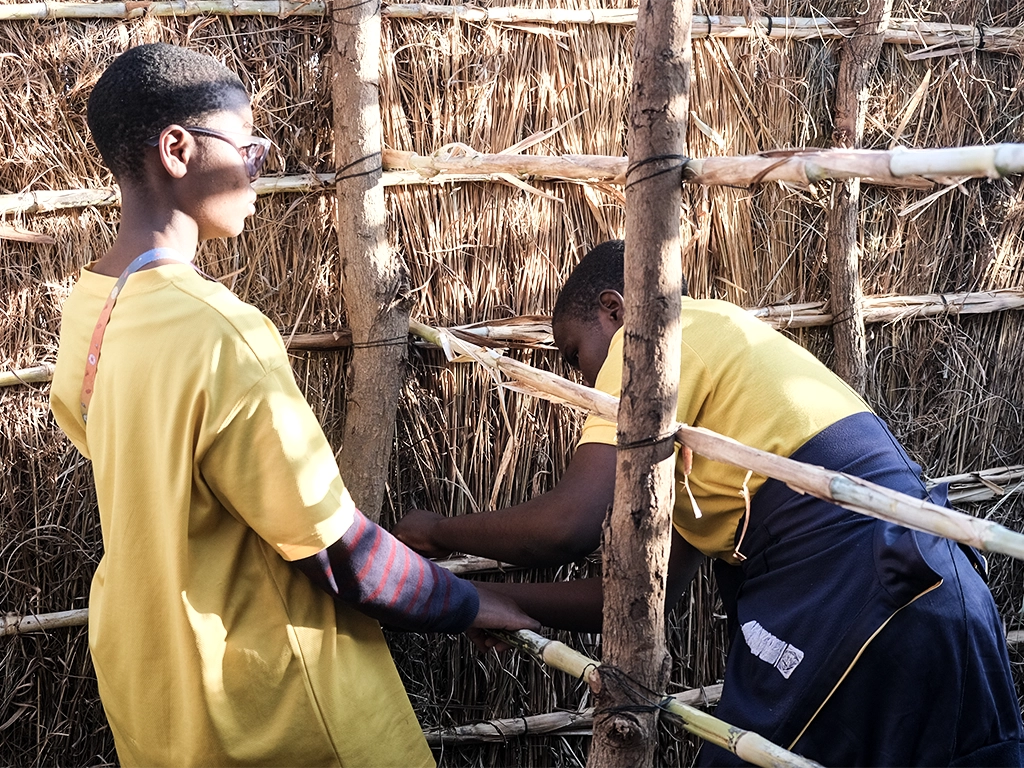
Throughout the project, students work alongside the Science Department to manage every stage of mushroom production from building the structure to the preparing the growing medium and cultivating the mushrooms to harvesting the final crop. Their enthusiasm and teamwork have already transformed the initiative into a student-led learning experience that builds confidence, responsibility, and real-world expertise.
The project centres on a purpose-built mushroom house with two specialized sections: an incubation room and a production room. After inoculation, the mushroom bags are placed in the incubation room, where the mycelium colonizes the growing substrate. Once colonization is complete, the bags move to the production room, where the mycelium develops into mature mushrooms ready for harvest.
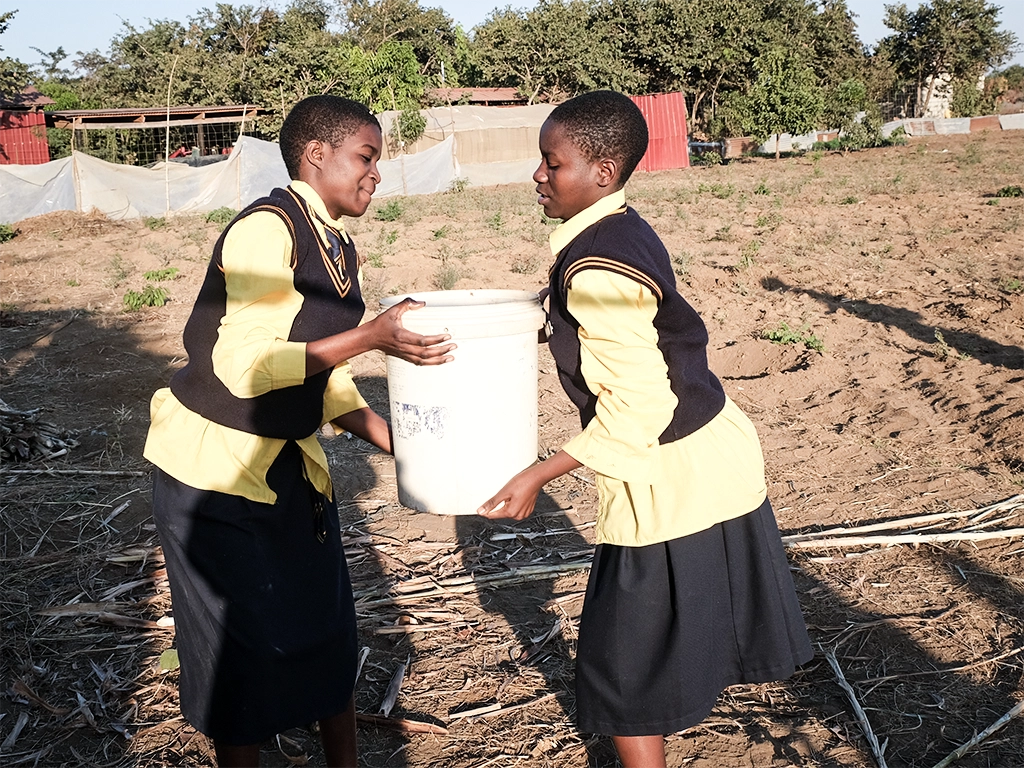
The process begins with mushroom spawn, which requires specialized laboratory conditions to produce. To ensure quality and consistency, the school will purchase prepared spawn. Students then prepare the growing substrate using locally available organic materials, such as maize stalks, mixing it before packing the mixture into growing bags. The bags remain in the incubation room until colonization is complete, then are transferred to the production room, where the mushrooms grow to maturity before harvesting.
This initiative reflects Kuwala’s commitment to experiential learning by giving students practical skills that complement their academic studies while introducing them to sustainable agricultural practices and future livelihood opportunities.
Building a Sustainable School Farm
The mushroom project builds on the success of Kuwala’s expanding school farm. Earlier this year, the school introduced broiler chickens and achieved outstanding results. The flock of 42 chickens produced a total edible weight of 77.3 kilograms—an average of 1.84 kilograms per bird. This exceeded the typical commercial yield in Malawi of 1.3 to 1.6 kilograms per chicken.
The farm produced nearly all of the chickens’ diet on site after the initial starter feed, demonstrating the potential for high-quality, sustainable food production. The harvest provided enough chicken for three full school meals and confirmed that the planned expansion to 250 broiler chickens, raised in staggered production cycles, can supply enough chicken for three meals every week throughout the year.
Looking ahead, Kuwala plans to introduce laying hens to provide a reliable supply of fresh eggs for the school. Together with the mushroom project and the continued growth of the school farm, this next step strengthens Kuwala’s journey toward greater self-sufficiency while reducing dependence on increasingly unpredictable food prices and supply chains.