
Powering education in Malawi: how Kuwala is building a resilient energy & security system.
“Kuwala” means “light” in Chichewa. Each day, that light represents learning, opportunity, and hope. But in a region where electricity is often unreliable, keeping that light on requires careful planning and resilient energy systems. Kuwala operates as a boarding school, where students and teachers live on campus, making a reliable power supply essential.
In Malawi, electricity supply is often unstable, especially in rural areas. The country relies heavily on hydropower, so changes in weather, low rainfall, and storm damage can disrupt supply. As demand grows and infrastructure ages, outages have become more frequent and unpredictable, with schools given no priority.
These challenges directly affect daily life at Kuwala. Power system repairs are often slow and expensive, leading to extended outages and placing additional strain on an already fragile system. For schools like Kuwala, the impact is significant:
- Interrupted learning: Classes that rely on lighting, computers, or projectors are often interrupted.
- Limited study time: Students cannot study in the evening, particularly during exam periods. When the night falls, it is very dark everywhere. Unreliable supply torches are limited and potentially dangerous. Individual personal solar lamps cannot charge enough during the rainy season.
- Digital education setbacks: Computer labs and internet-based learning are unreliable or unusable.
- Teacher constraints: Lesson planning, printing, and administration are affected.
- Kitchen meal preparation is challenging without power. Kuwala feeds over 250 students and staff, 3 meals per day!
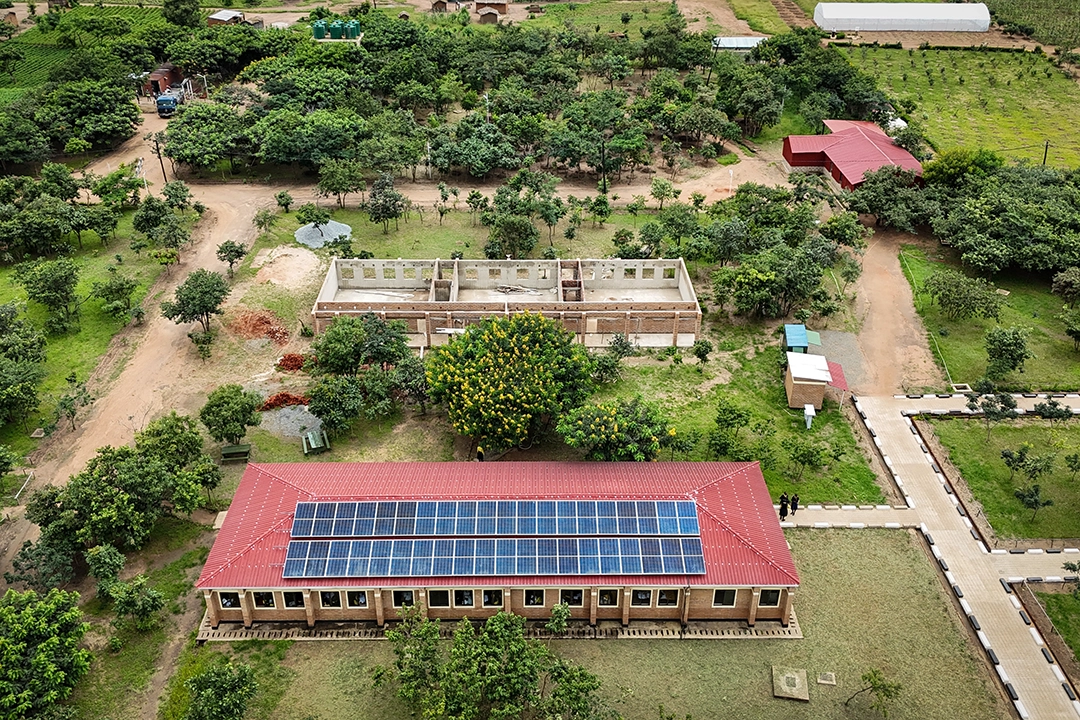
Kuwala has crafted a multi-layered energy system that combines three complementary power sources to ensure a dependable and resilient electricity supply. While the national grid remains the primary source—mainly hydroelectric and low-carbon—it is available only about 60 percent of the time. A 36-hour outage in February highlighted the critical need for backup solutions. To address this, Kuwala installed a solar power system with rooftop panels that generate electricity during the day and batteries that store energy for outages. Solar streetlights further enhance safety and visibility after dark. However, this system’s output depends on weather conditions and has limited capacity.
To bolster resilience, Kuwala added a weatherproof commercial diesel generator that automatically kicks in when both grid and solar power are unavailable, ensuring uninterrupted electricity. Equipped with a 2,000-litre fuel tank, it can operate for up to 16 days under varying demand and will soon run at full capacity to provide reliable backup during extended outages. Rising energy costs also prompted operational changes, such as switching the kitchen to biogas after propane prices surged by 20%, reducing reliance on propane and promoting sustainability. By integrating these diverse energy sources, Kuwala has built a more dependable power system. Reliable electricity keeps teaching ongoing, supports the kitchen and water pumps, and protects sensitive equipment from fluctuations. This comprehensive approach ensures the school stays prepared, maintains continuous operations, and remains focused on its mission, even in the face of environmental uncertainties.
Campus Security at Kuwala: Technology-Driven Protection.
At Kuwala, campus safety is a strategic priority, especially amid economic pressures and climate-related challenges that can heighten security risks. Despite our rural location, which provides natural isolation, we continue to strengthen layered security measures across the campus and farm.
We enhance physical security by combining metal fencing with natural barriers such as elephant grass and giant bamboo. Our trained security team uses modern radios and high-powered flashlights donated from Canada to communicate effectively and maintain coverage across the 30-acre campus and 100-acre farm. At the main gate, we enforce a strict sign-in system that requires all individuals entering or leaving the campus to register.
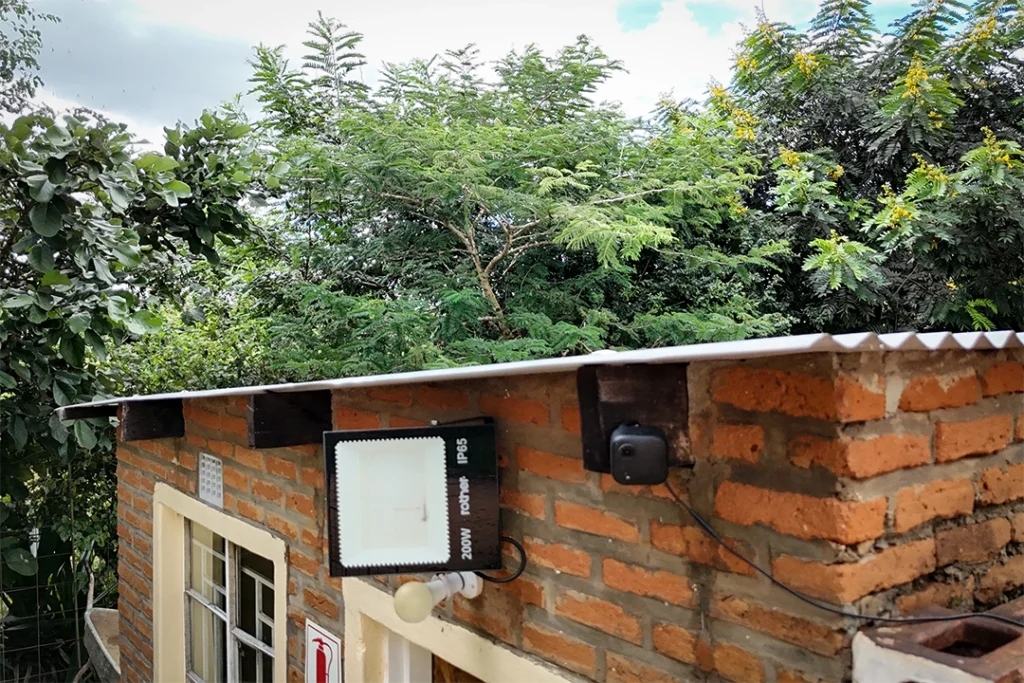
Technology is further strengthening our security infrastructure. Kuwala currently operates two Starlink® systems alongside Blink® security cameras positioned at key areas, including the stores and parking zones. These systems provide reliable connectivity and real-time visual monitoring. We are also transitioning to a Professional Starlink system, which will offer improved performance, priority access, and the capacity to support an expanded network of cameras across critical campus and farm locations.
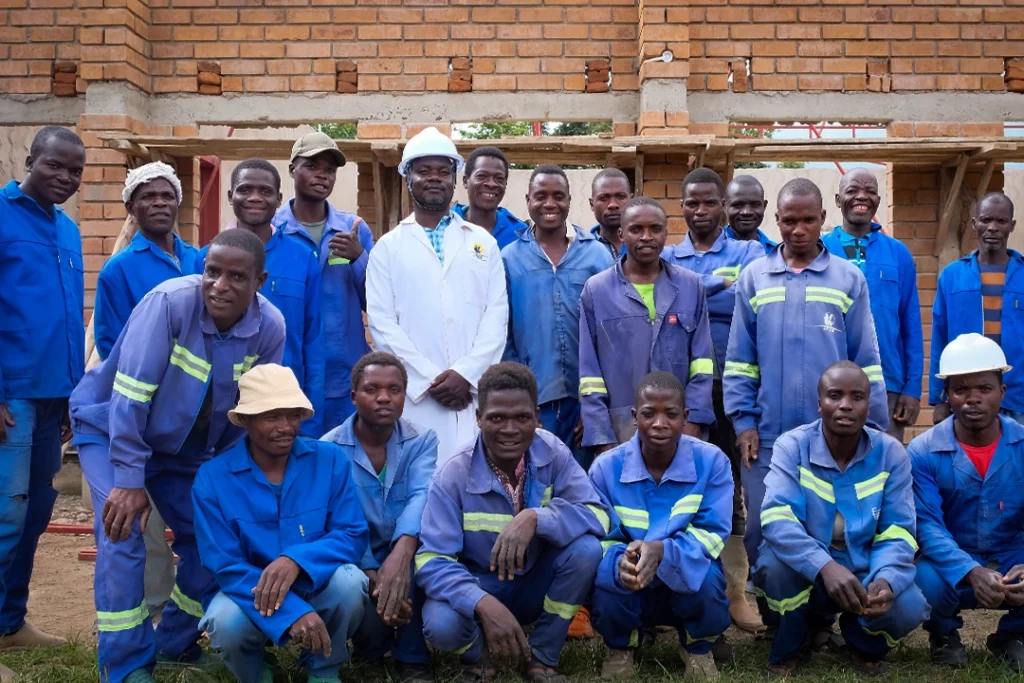
Despite weather challenges, construction continues across the campus. Several new buildings are nearing completion, including two classroom blocks and two dormitories. These new spaces will provide more learning opportunities, including a computer lab and a library. Drone footage and photographs clearly show the steady growth and development of Kuwala over time. We also acknowledge the important role of our construction partner, Thomas Kalombodza, Managing Director of Achibale Building Contractors (ABICO). He has been working with Kuwala since 2018, leading a team of about 30 workers. Many of his workers come from nearby villages, and their employment supports their families and local communities. Through this partnership, Kuwala continues to contribute to both education and community development. Together, these efforts—security systems, technology, and strong partnerships, help make Kuwala a safer, stronger, and more supportive environment for everyone on campus.