
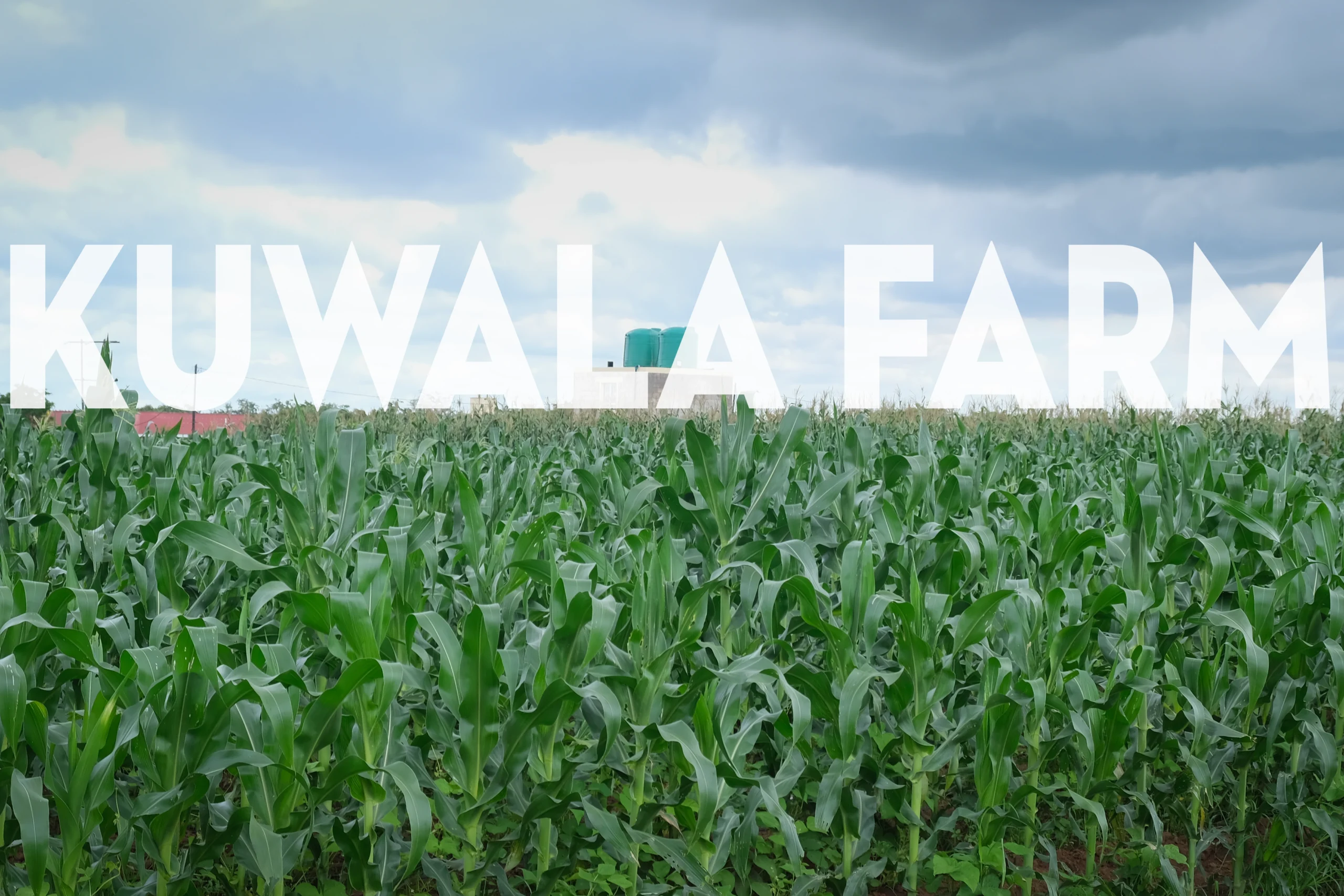
From seasonal farming to year-round harvests: how Kuwala farm is transforming agriculture in Malawi.
In Malawi, most families rely heavily on the rainy season, from October to March, to grow and harvest crops that sustain them throughout the year. These crops are often dried for home consumption and sold to meet household needs. At Kuwala, the farm is working to break free from this seasonal cycle by implementing irrigation systems that enable year-round farming. Thanks to Malawi’s favourable climate, the farm is exploring a diverse range of crops to make the most of these ideal growing conditions.
Farm update
Kuwala operates a 100-acre farm, including 7 acres equipped with irrigation. The team practices companion planting to support natural soil health—for example, growing maize alongside beans, which naturally add nitrogen to the soil. They also cultivate garlic and onions to help ward off pests, while crops like potatoes improve soil structure. Currently, the farm covers about 55 acres and produces maize, beans, soybeans, groundnuts, and animal feed. The long-term plan is to expand irrigation across the entire farm and grow crops year-round.
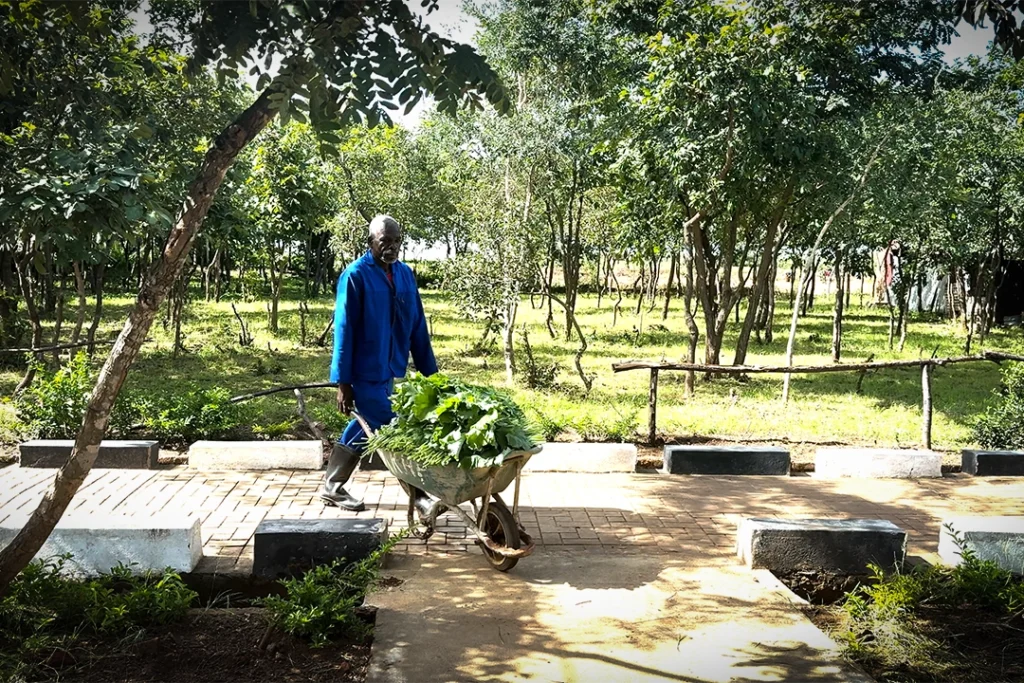
Kuwala is also expanding its greenhouse production. After relocating the existing greenhouse, the team is preparing to build additional greenhouses in the near future. The current greenhouse grows tomatoes, peppers, and cucumbers, with tomatoes alone producing over 8,000 kilograms last year for use in the kitchen. The team has also processed part of the harvest into tomato sauce for storage and future use. Kuwala is introducing new crops such as eggplant, while banana trees are beginning to bear fruit, and a second wheat crop is thriving, further diversifying the farm’s production.
Improving soil health remains a top priority. Instead of relying heavily on chemical fertilizers, Kuwala turns to compost, chicken manure, and effluent from biogas digesters to replenish nutrients and boost organic matter. These sustainable practices promote healthier plant growth and long-term soil fertility. Additionally, the farm is planting various trees—including fruit trees, moringa, and bamboo—to restore degraded land, improve soil structure, and enhance water absorption, helping to replenish underground water sources. As the ecosystem develops, bird populations are returning, signalling a healthier, more balanced environment.
These efforts are also making a real difference in daily life at Kuwala. With more crops grown on-site, students have access to fresh, nutritious foods, reducing their reliance on store-bought produce. At the same time, the farm is becoming a hub for learning and community engagement, as both the school and residents adopt better farming practices.