2017
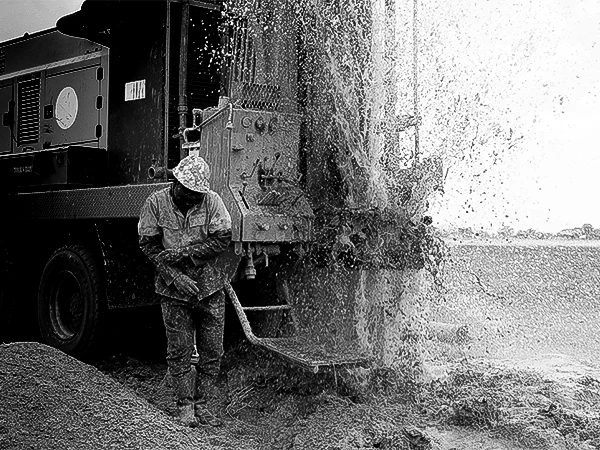
Kuwala found its name and its purpose. Meaning, light, Kuwala adopted the motto Shine Girls Shine, reflecting the belief that education can open doors and change lives. Work began on transforming an empty piece of land into a school. Crews dug the first access road by hand and began drilling a water well, laying the groundwork for a campus that would soon welcome its first students.
2018
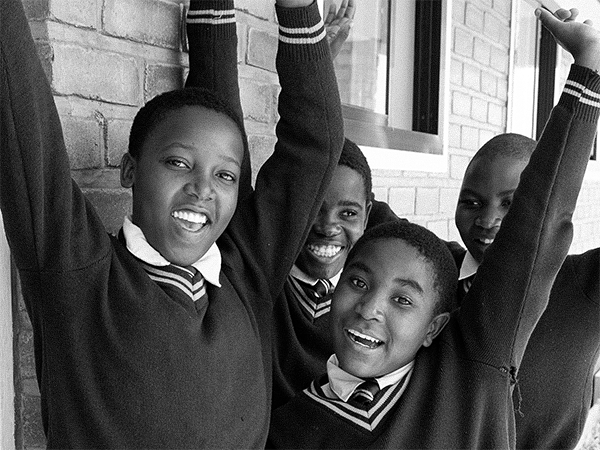
On September 9, Kuwala opened its doors to its founding class of 60 girls. They began Form 1, the equivalent of Grade 9, marking an important milestone for the school and the families who believed in its vision. The first facilities included a 60-bed hostel with running water and showers, three classrooms, and a temporary kitchen and dining hall. Kuwala was officially a school, and a new chapter had begun.
2019
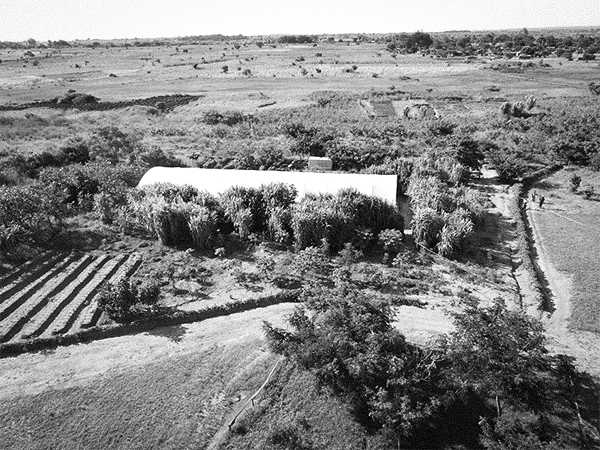
Kuwala opened its first greenhouse, taking an early step toward growing fresh food for its students. Beyond providing nutritious meals, the greenhouse introduced opportunities for students to learn about agriculture, food production and sustainability. Construction also began on St. Peter's Assembly Hall, made possible through a generous commitment from a Winnipeg church. The project would provide a permanent kitchen and dining space for up to 200 people.
2020
Kuwala connected to Malawi's national electricity grid, bringing classroom lighting when power was available and giving students more opportunities to study after dark. More than 50 donated laptops also arrived from Canada, helping students develop essential computer skills. Despite the disruptions of COVID-19, Kuwala continued finding ways to support learning and keep its founding class moving forward.
2021
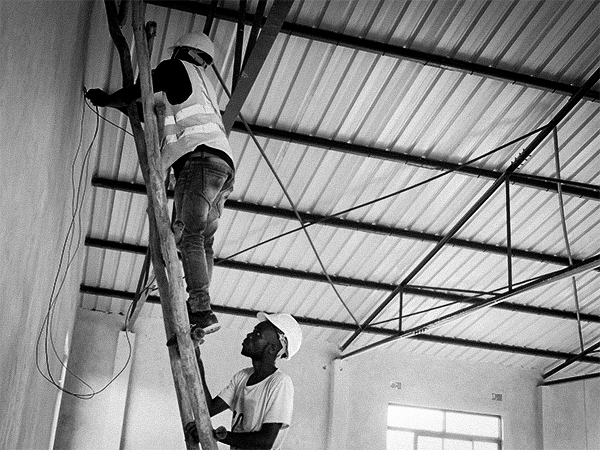
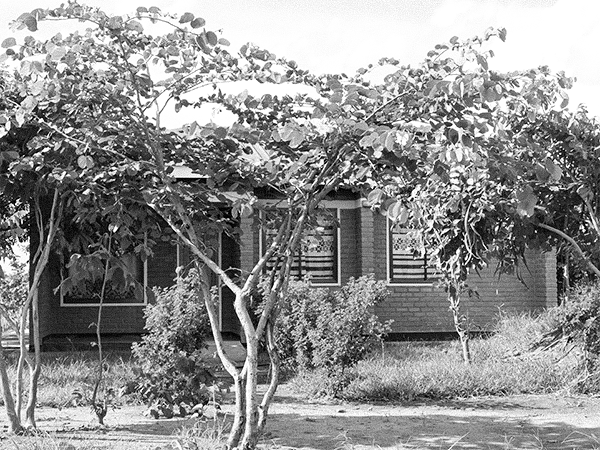
Kuwala completed its first staff housing, allowing teachers and other staff to live on campus and become a greater part of daily school life. The campus continued to grow with a second student hostel and significant progress on St. Peter's Assembly Hall. The hall's interior and exterior were completed, and installation of the commercial kitchen began. The new hostel was ready to welcome students in January 2022.
2022
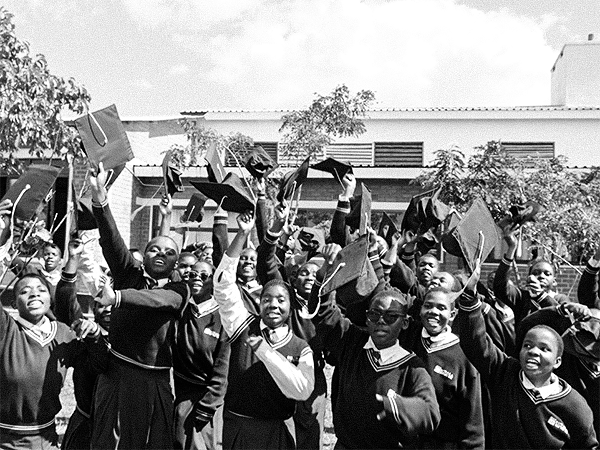
Kuwala celebrated a defining moment on August 13, holding a farewell ceremony for its founding class of 60 girls before their national examinations. Four years after opening, the school's first students were preparing to take their next steps beyond Kuwala. The school also launched its farm, planting five acres of maize, beans and groundnuts. Additional land acquired later that year helped establish the foundation for a growing agricultural program.
2023
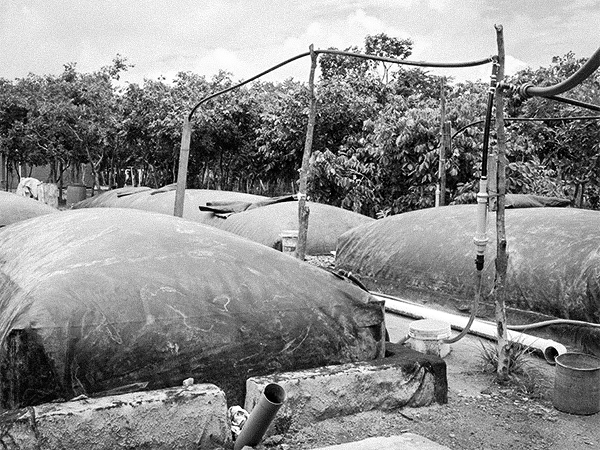
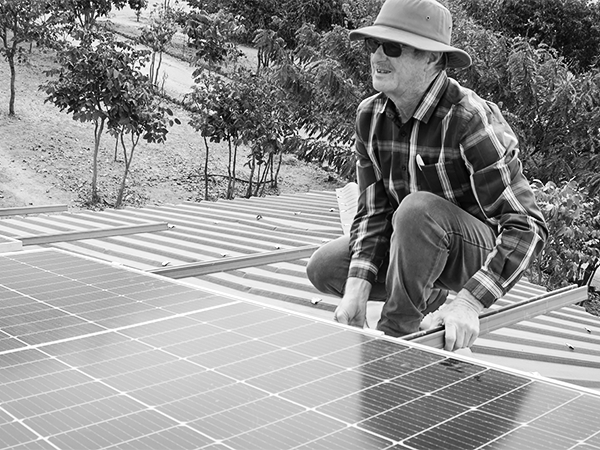
Kuwala made important progress toward a more sustainable campus by installing solar power and a biogas system. Completed in April, the biogas installation began collecting gas in May for future use in the school kitchen. Students were making their own mark, too. Doreen and Casey received recognition at an innovation fair for their water-irrigation project, demonstrating the creativity and practical thinking being encouraged at Kuwala.
2024
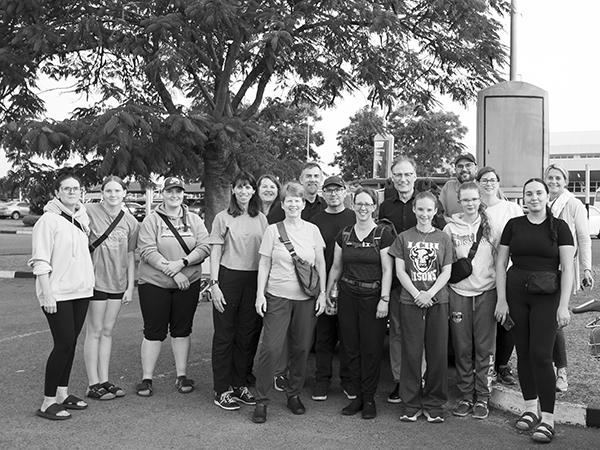
Kuwala opened its science laboratory, giving students dedicated equipment and space to explore science through hands-on learning. It was another important step in expanding the quality of education available on campus. In June, Kuwala welcomed its first Canadian service group, with 18 visitors bringing donated laptops and other equipment. The year also confirmed Kuwala's Malawian NGO status, strengthening its local organizational foundation.
2025
Kuwala celebrated another strong academic year, with approximately 96% of its graduating class passing their national examinations and two-thirds qualifying for university entrance. These results reflected the students' determination and their teachers' commitment. Meanwhile, the next major campus expansion was underway. By November, foundations were completed for two new classroom blocks, and construction had begun on two additional dormitories to accommodate future students.
2026
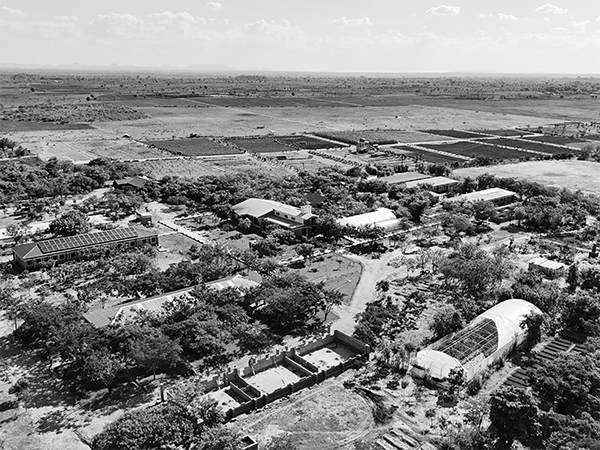
Kuwala continued to grow, completing two additional classroom buildings, two dormitories, and dedicated on-campus housing for a matron and nurse. These additions expanded the school's capacity while strengthening the care and support available to students. Kuwala also increased the power efficiency with a major upgrade to our solar farm and added a commercial grade desiel generator for increased power security. In September, 366 girls began the new school year, marking another milestone in Kuwala's journey. What began with just 60 students in 2018 had grown into a thriving school, creating more opportunities for girls to learn, grow and shape their futures.